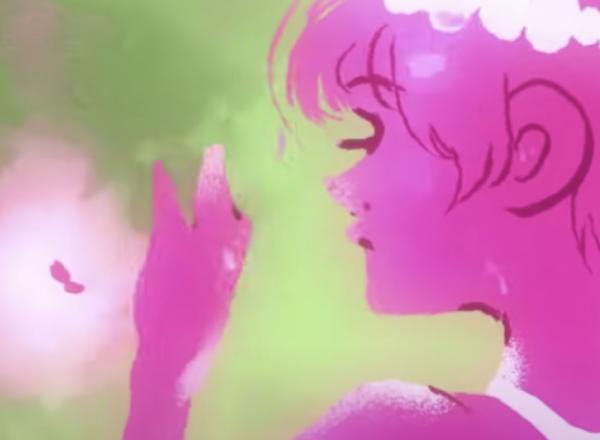
Rachel Smythe’s insanely popular webcomic now turned graphic novel (and future Netflix animated series), Lore Olympus, is a recent iteration of this trend – one that combines both the art of storytelling and digital illustration.
Art News
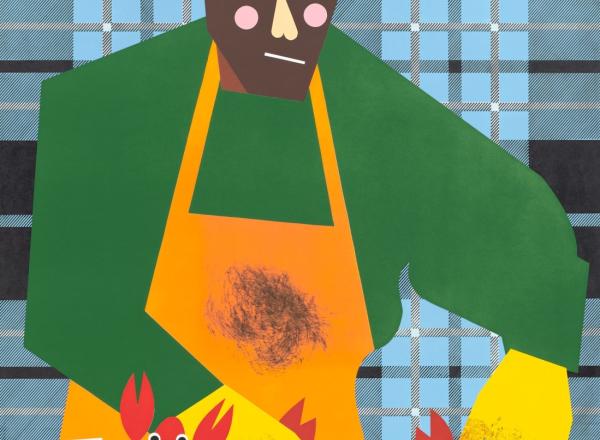
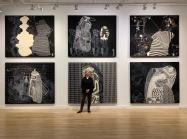
The Gordon Parks Foundation is pleased to present an exhibition of new works by Nina Chanel Abney. Through her use of vivid color, grand scale, and a combination of representation and abstraction, Abney proposes a new type of history painting.
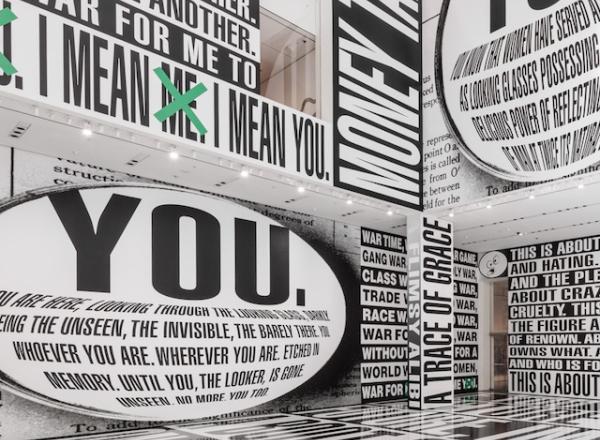
Sightings of Barbara Kruger’s work in New York City have been somewhat scarce since her last exhibition in 2018 at Mary Boone Gallery (which permanently closed after its namesake owner went to jail for tax evasion), but now, Kruger is back in a big way with concurrent offerings at David Zwirner and MoMA.
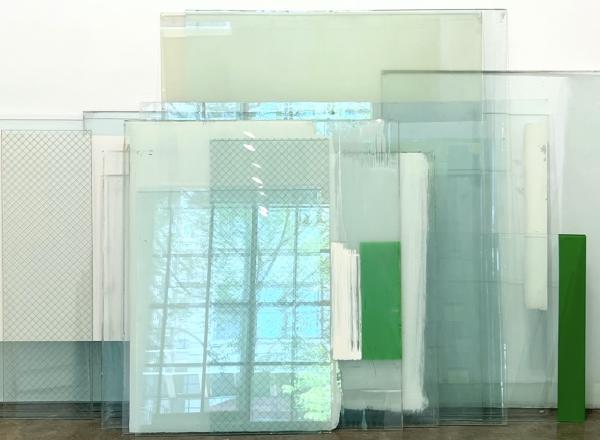
Biography necessarily runs hand in hand with visual-art production. For sculptor and conceptual artist Russell Maltz, living and making are one and the same thing. That said, the affable, unpretentious, and uncontrived sixty-nine-year-old artist wears his penchants, quirks, and opinions lightly, layering them in such a way as always to seem impromptu and so grab an audience’s attention in unexpected ways. In fact, layering would seem to be one of Maltz’s signature activities.
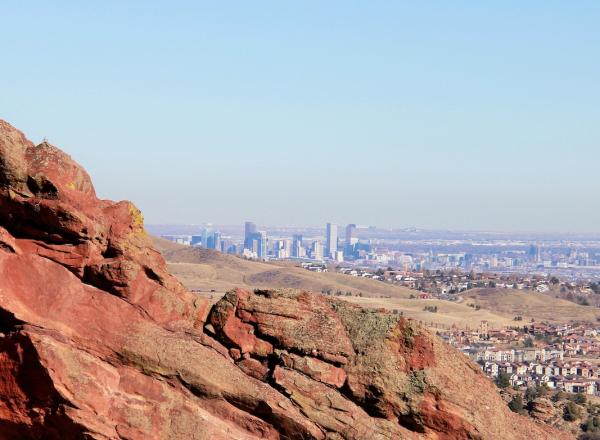
We are thrilled to announce that, in partnership with the Museum of Outdoor Arts (MOA), will begin August with the launch of our next vFair: The Denver Art Showcase. Curated by regular contributor Colleen Smith, the vFair will feature work from the area's most innovative galleries and artists.
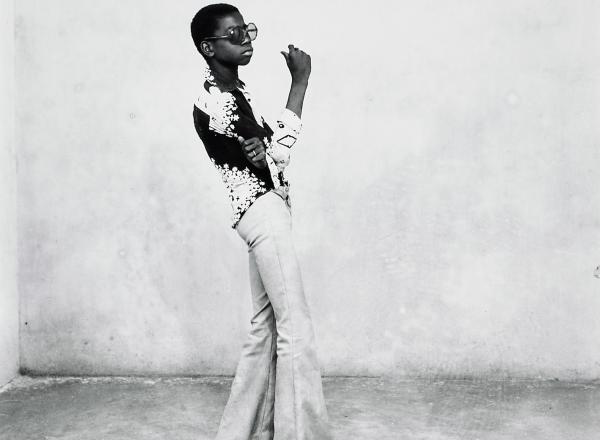
On July 27 in New York, Bonhams auction of Modern & Contemporary Art & Photography from Africa and the Diaspora will feature a large selection of exceptional photography including a striking black-and-white image, Isililo XX, by Zanele Muholi (b. 1972), estimated at $7,000 – 10,000.
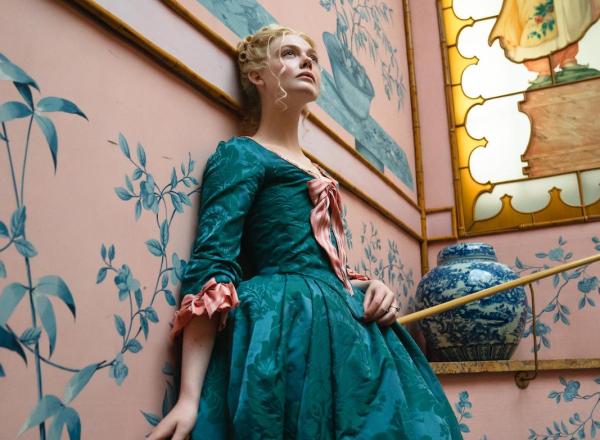
In December 2021, the Television Academy announced eleven significant rule changes designed to better align the Emmys with, “the dynamic and rapidly evolving television industry." Among these changes are several meant to highlight the too often unsung visual artists.
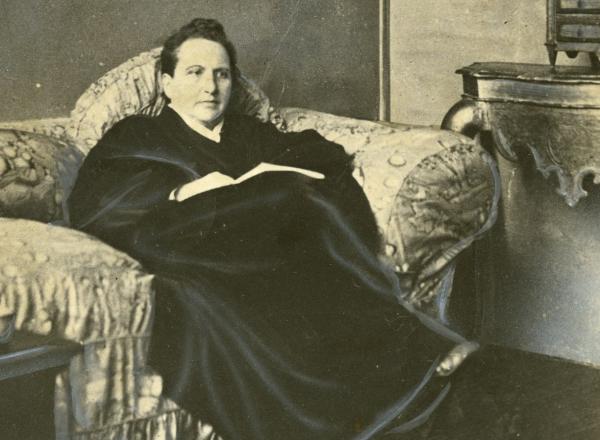
Noted iconoclastic Jewish-American poet, playwright, novelist, and art collector Gertrude Stein (1874–1946) is remembered for her experimental use of language, her frank depiction of lesbian relationships in fiction, and for amassing an exceptional art collection while living in Paris as something of a celebrity figure.
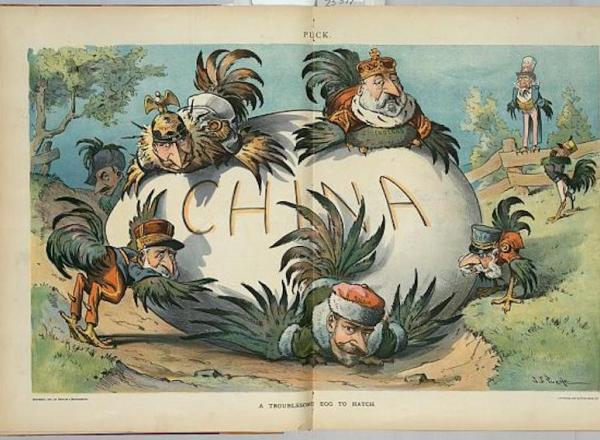
Following a trend that started in the late 1800s, Western photographers were sent abroad to create images of foreign countries. Such photographs, oftentimes created through an imperialist and colonial lens, contributed to the creation of stereotypical views of non-Western countries.

A new self-portrait from Vincent Van Gogh has recently been detected, hidden under layers of glue and cardboard, by the National Galleries of Scotland (NGS). Officials are confident, though not certain, that the painting is a hitherto unknown work of art.