
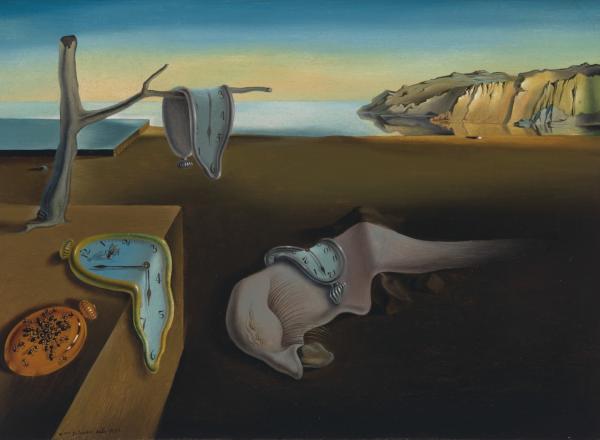
As temperatures rise to summer highs, one artwork seems to encapsulate our collective torpor better than most: Salvador DalÍ’s The Persistence of Memory. The iconic 1931 work depicts a series of clock faces that appear to be melting in a seaside landscape hauntingly barren except for a leaf-less tree, a couple of simple architectural structures, and a distorted, globular form resembling the face of a sleeping human with incredibly long eyelashes.
Art News
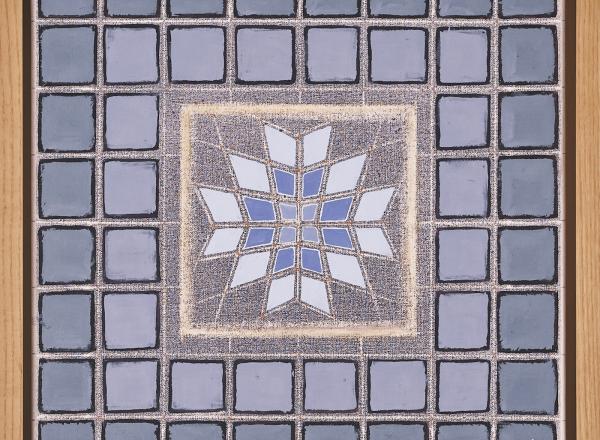
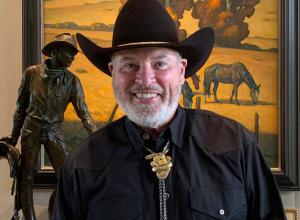
RioBravoFineArt proudly presents a showing of work from the Timescapes series of paintings by Olin B. West, one of the Southwest’s most respected and talented artists. The show opens on July 11, 2026, Second Saturday Art Hop in Truth or Consequences, New Mexico, and continues through August 28, 2026.
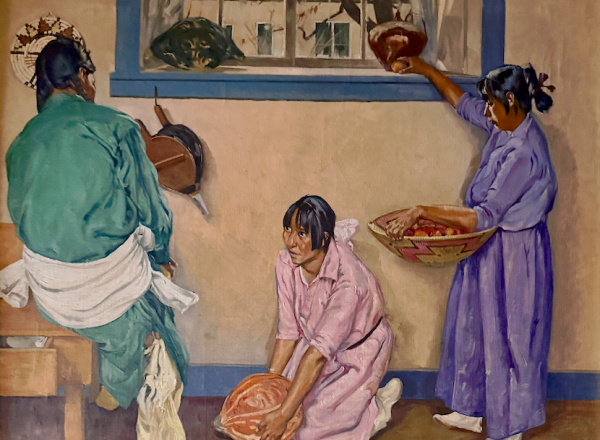
Image Makers for America: In Pursuit of a National Identity is the spectacular summer and fall exhibition at Couse-Sharp Historic Site, commemorating the 250th anniversary of the signing of the US Declaration of Independence. All the works are significant examples by members of the Taos Society of Artists (TSA), which was formed in 1915 with the expressed goal of creating “authentically American” art.
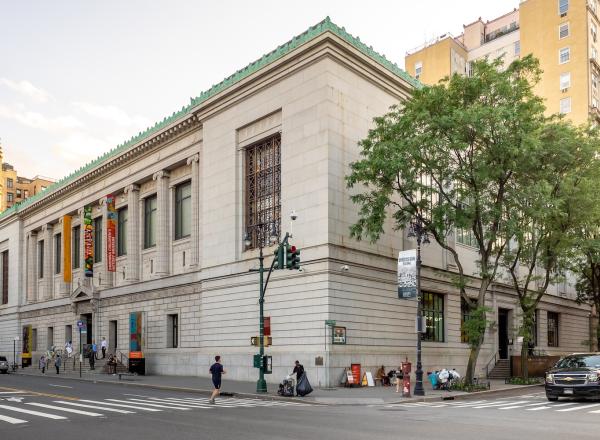
Two major additions to American culture opened their doors within days of each other after multi-year projects strategically planned to culminate during the country’s 250th anniversary: the Obama Presidential Center in Chicago and the Tang Wing for American Democracy at the New York Historical in Manhattan.
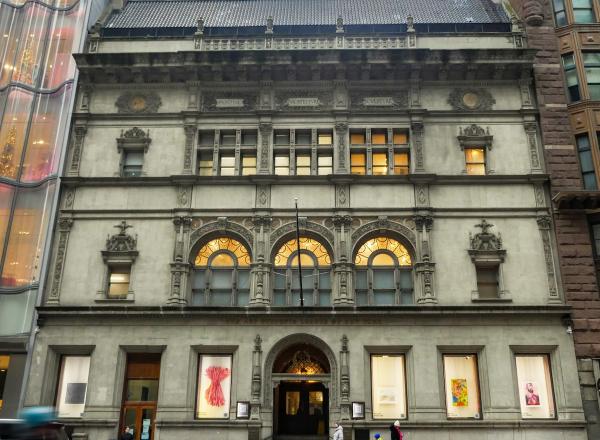
Founded by a group of free-thinking artists in 1875, the Art Students League of New York has always been marked by innovation. Dissatisfied with the teaching style at the National Academy of Design, these artists started their own school, committed to making fine-art education accessible to all. Utilizing a unique atelier-style system, the League offers classes for adults and children, covering a diverse array of artistic practices, methodologies, and media.
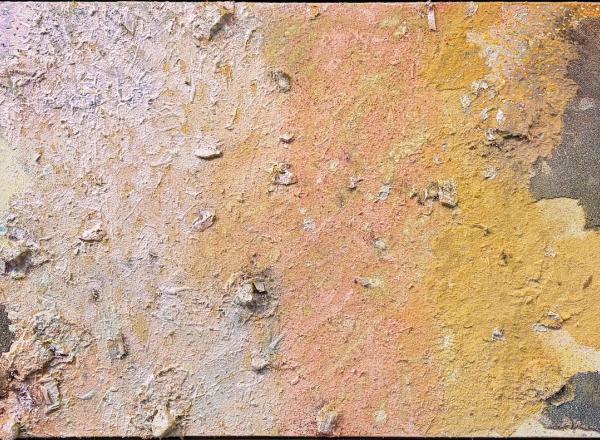
A rare opportunity for collectors and admirers of postwar American abstraction, Stanley Boxer: A Centennial Exhibition brings together a collection of seminal works spanning four decades of the artist's career on the occasion of his 100th birth anniversary.
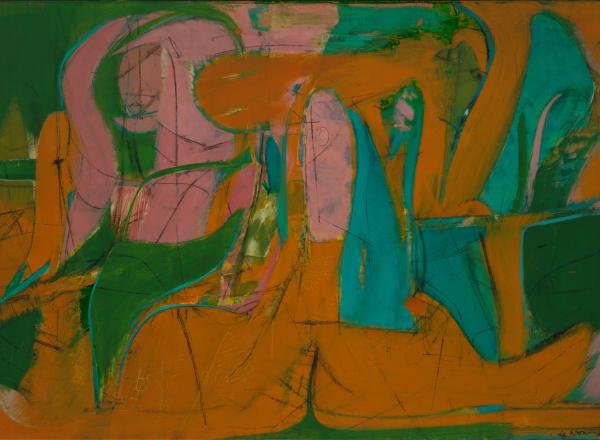
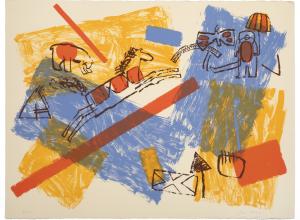
Willem de Kooning is a name recognized worldwide for his impact on the development and growth of Abstract Expressionism in America. However, back in his early days, he was one of a small group of struggling New York painters attempting to create work expressing new ideas in a world recovering from the calamity that was WWII.
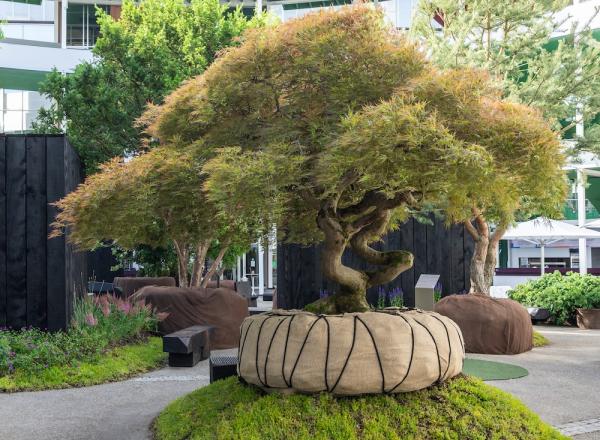
Hosting some 90,000 visitors from June 15-21, the 2026 edition of Art Basel showcased 290 galleries from 43 countries and territories, featuring a diverse range of works, including Modern and postwar masterpieces, historical rediscoveries, contemporary and emerging positions, large-scale installations, and cross-media practices.
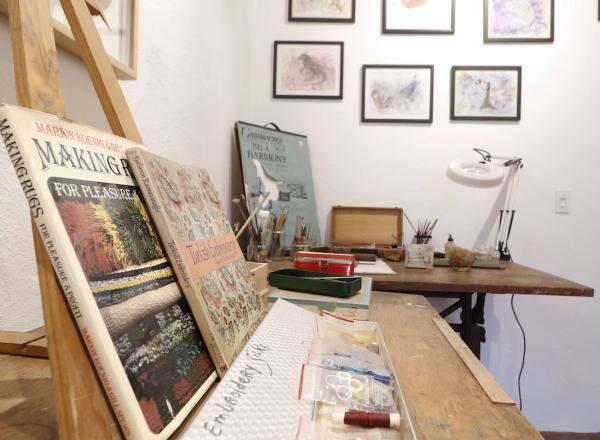
Villa Pilar, which was painted in 1940 by Leonora Carrington during her confinement at the Sanatorio Morales—a clinic located just outside Santander, Spain—remained in her psychiatrist’s family for more than 80 years after it was given to him as a gift.
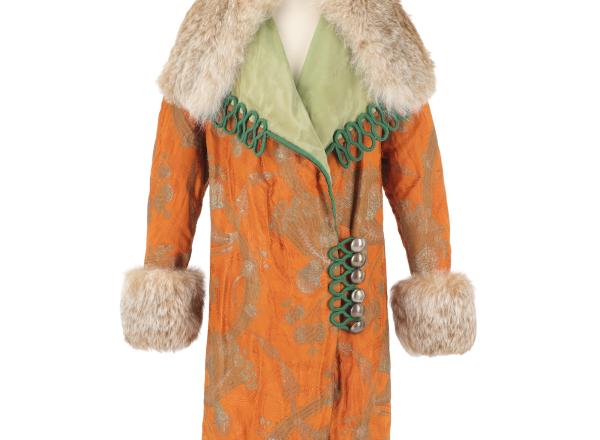
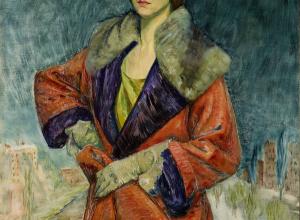
Long before Dior became a worldwide fashion house, branching from haute couture into perfume and later into shoes and accessories, there was French designer Paul Poiret (1879-1944).