
![Ginevra de’ Benci [obverse]. 1474/1478. Leonardo da Vinci. Oil on Panel. Ailsa Mellon Brue Fund, National Gallery of Art.](/sites/default/files/styles/image_10_column/public/ginevradebenciobverse196761a.jpg?itok=1WvZbi09)
Leonardo da Vinci and his works have attained a level of global notoriety unparalleled by many other artists. His paintings, inventions, drawings, and codices are coveted by art and history institutions as testaments to his genius and technical prowess.
Art News
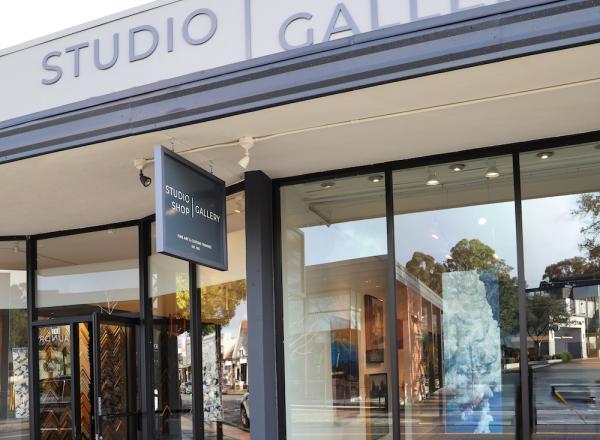
This September, Studio Shop Gallery, the oldest retail business in Burlingame and one of California’s longest-standing art galleries, celebrates a remarkable milestone: 110 years of connecting people with fine art, custom framing, and community. Established in 1915, the gallery has not only survived – it has flourished – through wars, challenging economic times, shifting cultural landscapes, and a rapidly evolving art market.

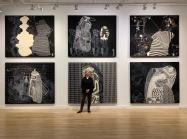
What constitutes an artist? Perhaps your first thought is as straightforward as this author's was: An artist is someone who creates masterful works of art. And yet, many masterful artworks, past and present, were created by the artist and a team of assistants.
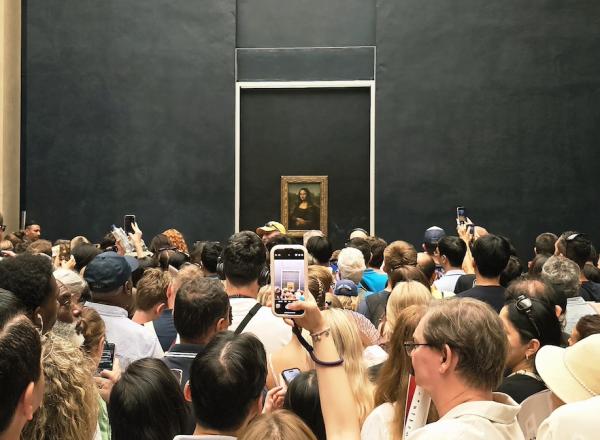
Influencer marketing has been a mainstay of consumer brands for years, but only recently have museums embraced the trend with the same enthusiasm. With about 300 million people globally considering themselves content creators, there are plenty of partners to choose from.

Art historian Jennifer Dasal crafts a window into France’s "Beautiful Age” with her sophomore book, The Club: Where American Women Artists Found Refuge in Belle Époque Paris. With silky prose, Dasal weaves a detailed tapestry of Belle Epoque society (1871 to 1914), first describing “the lure of Paris” before focusing on The American Girls’ Club for Artists and those young women who once found safe, affordable accommodations within its walls.
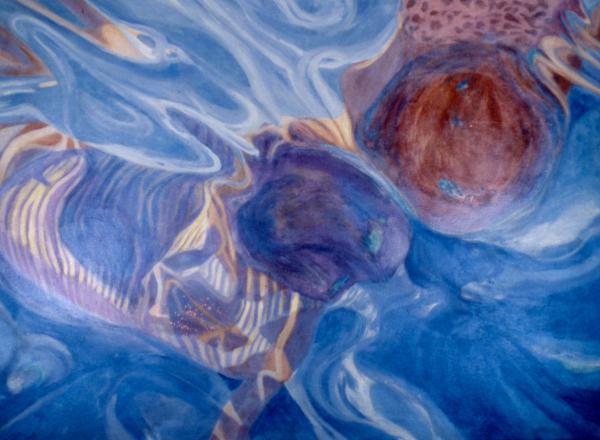
The June Kelly Gallery is pleased to open its 2025-2026 season with an exhibition of Karin Batten's resplendent abstract improvisations of color, texture, and crafty colocation of form. The title Swimming on Mars reflects the artist’s persistent fascination and engagement with the natural world during her travels and her love of water.
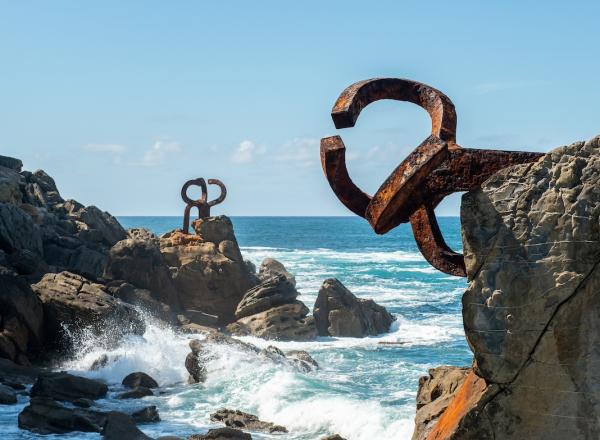
“What belongs to one, belongs to almost no one,” said Spanish sculptor Eduardo Chillida, who dedicated a significant portion of his practice to public works. His “De Musica” stands outside Dallas’ IM Pei-designed Meyerson Symphony Center, while his “Rough Chant V” decorates the garden of the Museum of Fine Arts, Houston.
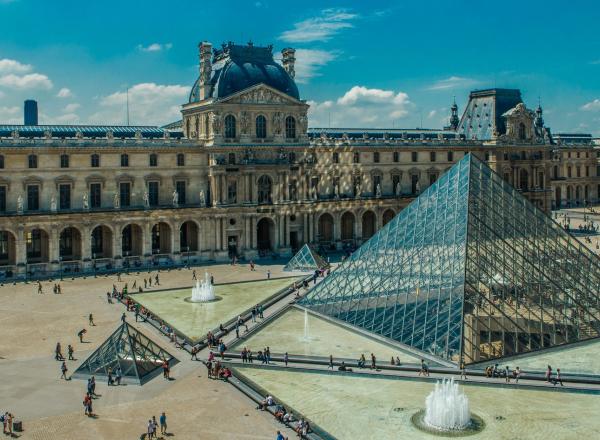
Here are 11 of the most surprising facts about the history of the Louvre.
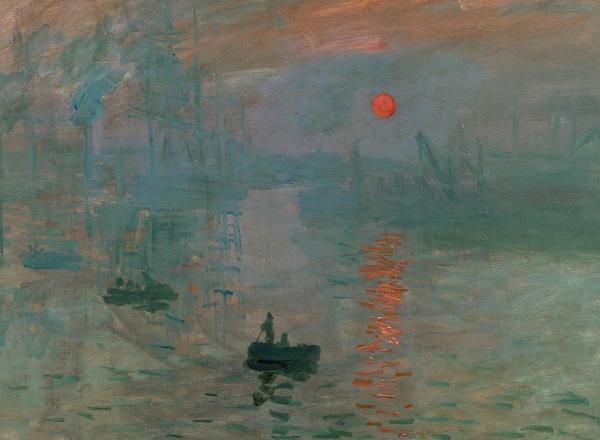
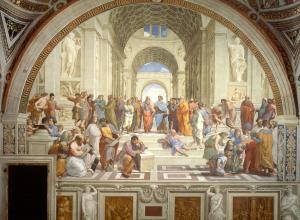
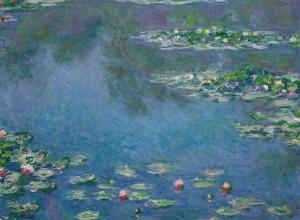
Considered one of the first major art movements of the modern era, Impressionism was a radical revolt against the contemporary standards of academic painting.

Amid the horrific loss of life and suffering resulting from geopolitical conflicts across the globe, dozens of organizations and individuals are quietly saving the art and artifacts that continue to stand as symbols of national pride for conflict-torn communities. Public attention has (rightfully) been on the human impact of wars in Ukraine and Gaza, as well as gang violence in countries like Haiti and Ecuador.