


If it’s useful, it can’t be art. For the longest time, the art world has deemed craft as less-than. Figures like Ruth Asawa, whose suspended sculptures stem from basket weaving, took a while to catch on as experts had a hard time classifying them.
Interviews & Essays
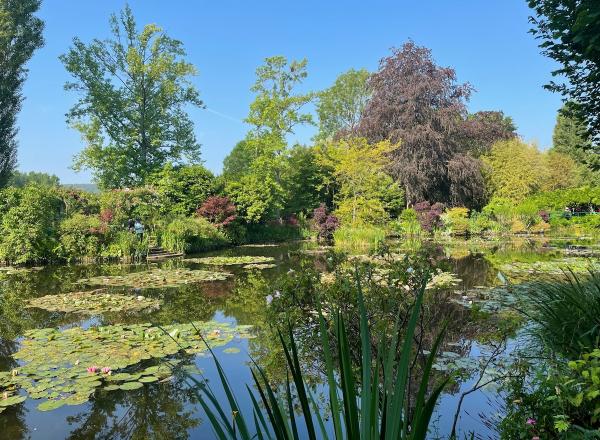
In Giverny, Claude Monet (1840-1926) spent over four decades nurturing a flourishing garden that has become almost as iconic as his celebrated artworks. The garden is still an oasis that brings visitors into the world of the Impressionist painter.

This year’s FIFA World Cup in North America has turned into an unlikely showcase for art as soccer, sculpture, and sports memorabilia converge across the tournament cities.

I was born and raised in Dallas. My mother was a very entrepreneurial person who pursued the home-building industry. In the 1950s, a wife in Texas had to have her husband sign all legal documents for her to conduct business. My mother thought that was ridiculous, so she pursued the issue in the Texas courts and got the laws changed. It was through my mother that I was introduced to fine art.

A High Renaissance masterpiece, Bacchus and Ariadne (1520-23), by the great Italian painter Titian (c. 1488-1576), is getting a touch-up thanks to Bank of America’s (BOA) extensive art conservation program, which has helped save more than 15,000 objects in 40 countries since its launch in 2010. This is the second time under the microscope for this work.
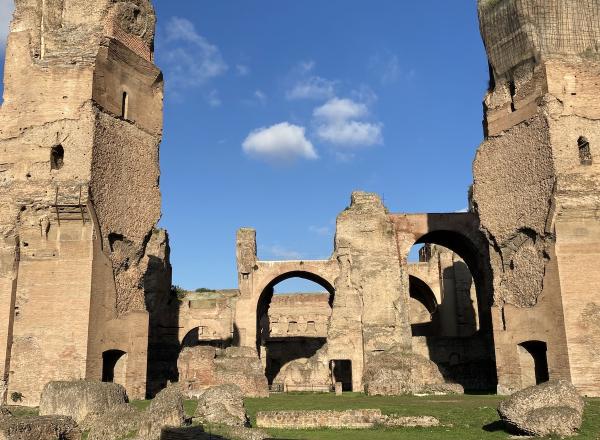
In ancient Rome, bathing was a staple, not a luxury. Bath buildings are one of the most frequently encountered types of structure at archeological sites across the Roman world, from the Middle East to Northern Europe.
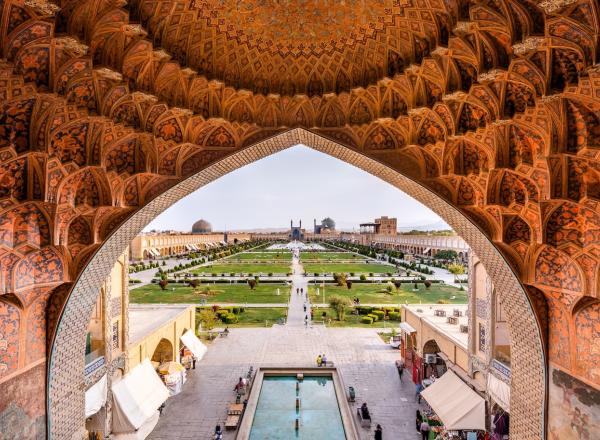
More than 130 museums and historic landmarks in Iran have been damaged since the conflict with Israel and the United States erupted in January, despite efforts to mark protected locations and pleas from international groups to use caution.
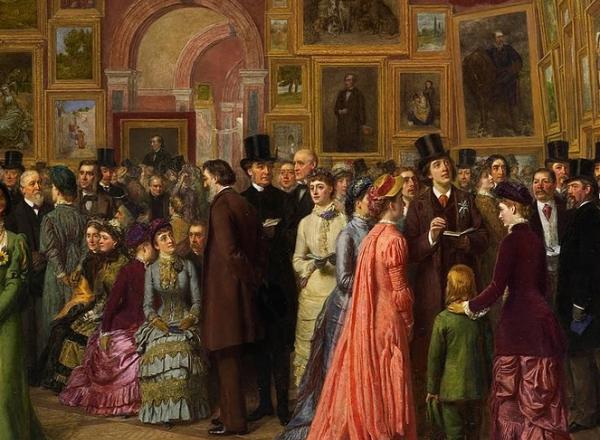
In satirist James Gillray’s 1801 illustration A Cognocenti Contemplating ye Beauties of ye Antique, the expert’s body is a stand-in for his skill. His stooped shoulders, shock of white hair, and gnarled fingers clutching a walking stick all signify not just age but wisdom. His ill-fitting waist coat, rumpled breeches, and a thatch of thick nose hair suggest a man too busy at his task to worry over his appearance, although his stark black top hat indicates his societal position and fit within this collection of antiquities.
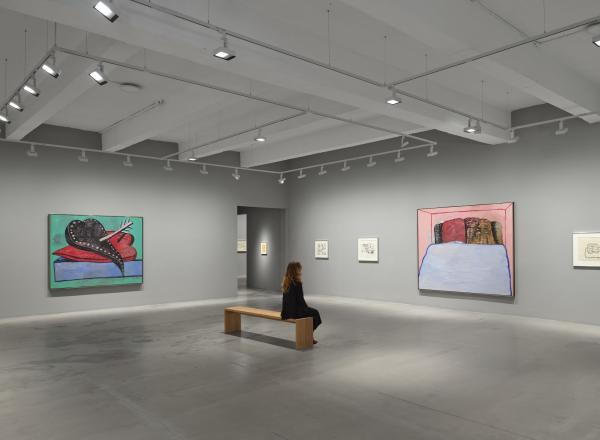
“Painting has to do with how much you can tolerate.” —Philip Guston
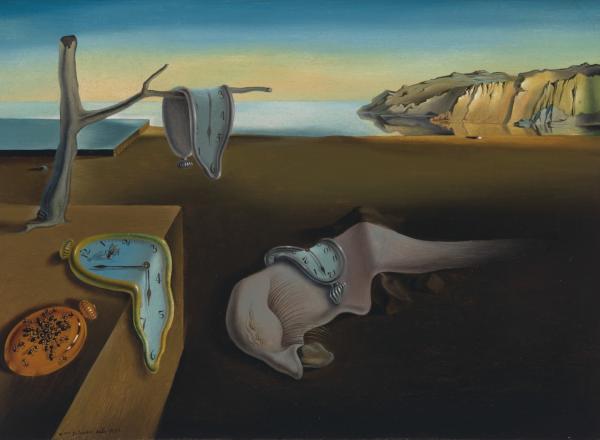
As temperatures rise to summer highs, one artwork seems to encapsulate our collective torpor better than most: Salvador DalÍ’s The Persistence of Memory. The iconic 1931 work depicts a series of clock faces that appear to be melting in a seaside landscape hauntingly barren except for a leaf-less tree, a couple of simple architectural structures, and a distorted, globular form resembling the face of a sleeping human with incredibly long eyelashes.