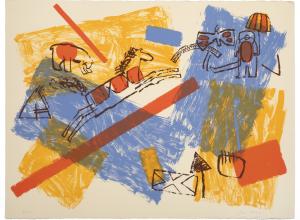

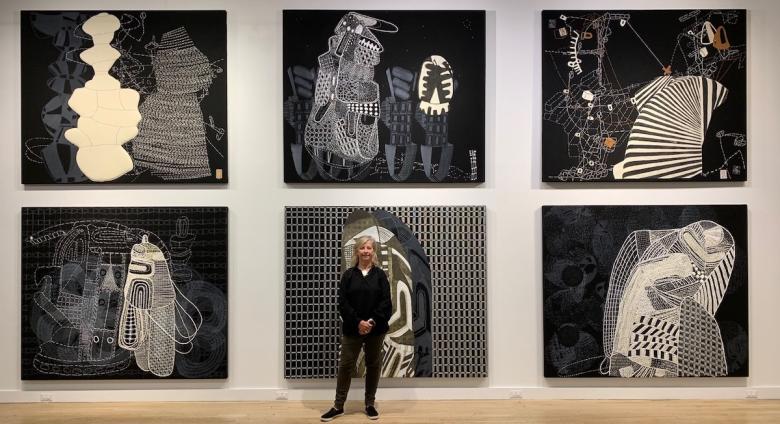
It had been seven years since this writer first heard the distinctive Aussie-inflected English of innovative master printmaker Sarah Amos.
August 2026 Art News
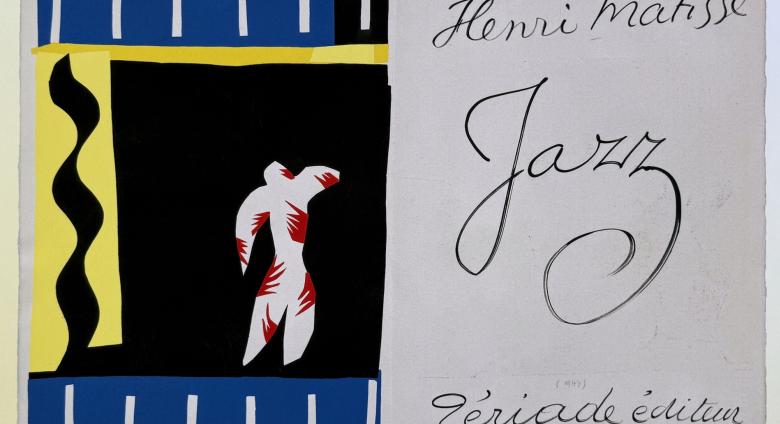
Eight prints from Henri Matisse’s celebrated 1947 Jazz series, valued at about $190,000, are back in the hands of Brazilian authorities after being recovered from an apartment in a suburb of São Paulo.
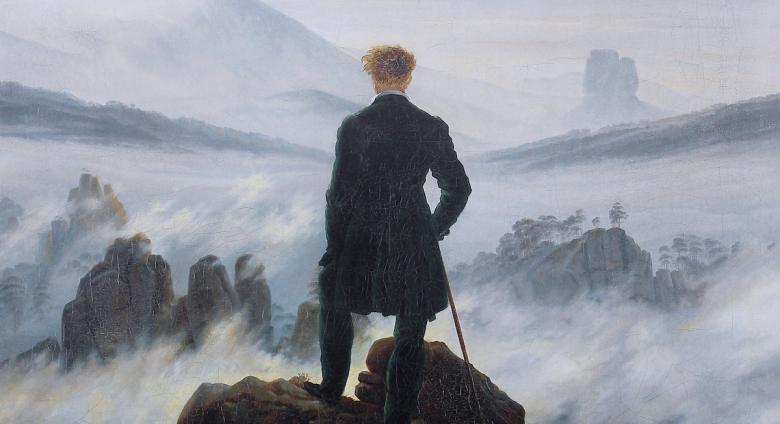
Caspar David Friedrich, like other Romantic painters, established landscape paintings as a dominant genre in Western art. Friedrich’s coming of age was during a time when materialistic society began to favor spirituality. The artist followed this shift in ideals through expressing the natural world as a divine creation, a separate entity from human civilization. As French sculptor David d’Angers said, he was a man who had discovered “the tragedy of landscape.”
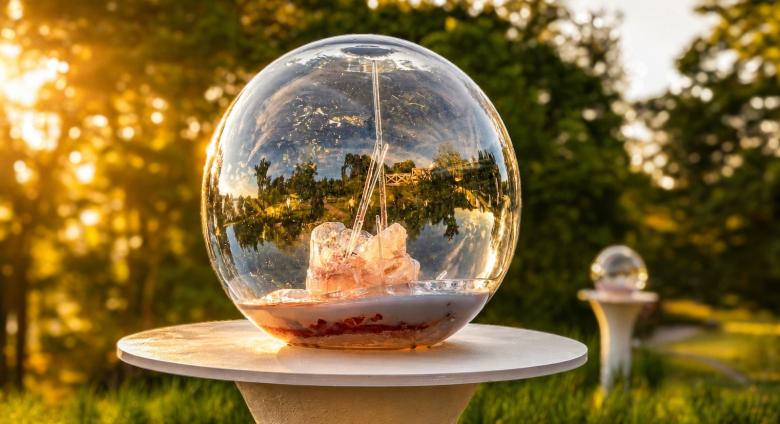
New York–based artist and landscape designer Paula Hayes (1958) just unveiled her first-ever permanent public landscape installation at the Lyndhurst Mansion in Tarrytown, New York. Designated a National Historic Landmark and first designed in 1838 by architect Alexander Jackson Davis, Lyndhurst Mansion was originally built for former New York City mayor William Paulding Jr.
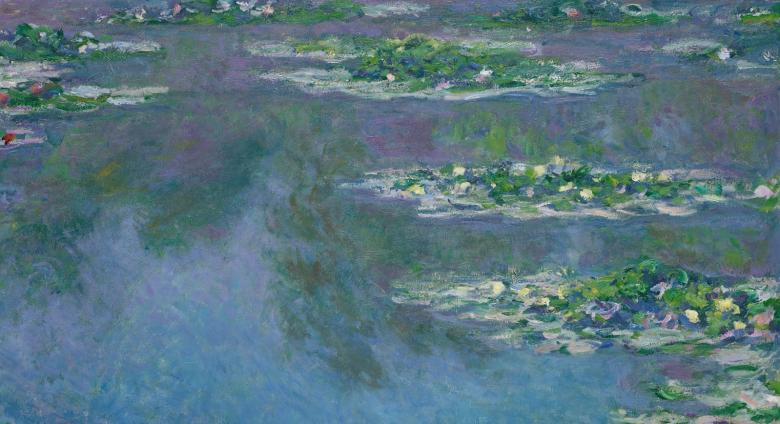
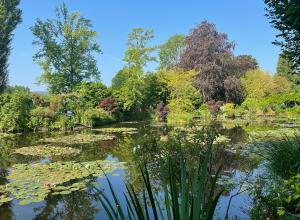
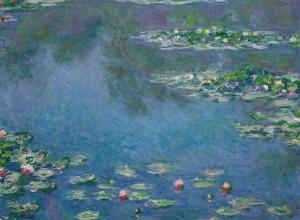
Between 1897 and 1926, Claude Monet painted approximately 250 waterscapes of his favorite subject towards the end of his life: Water lilies. The latter half of these paintings in particular are lauded as stunning feats in compositional experimentation and innovation.
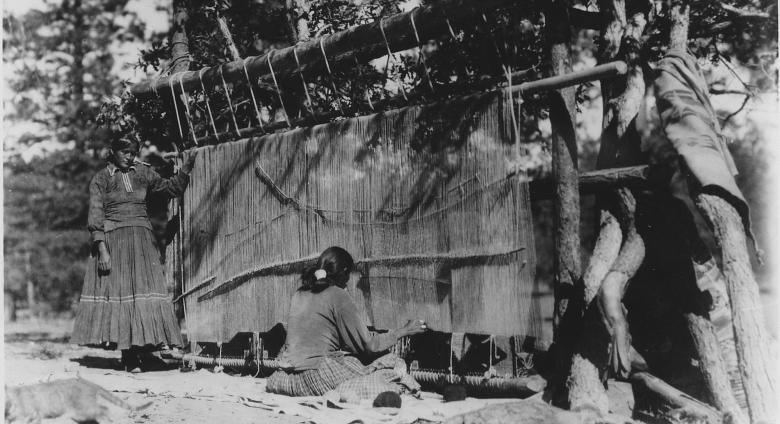
From coconut palm leaves folded into ceremonial forms in Bali to brown ash splints woven into baskets in Maine and wool blankets woven across the Navajo Nation, a younger generation of artists is returning to textile techniques their ancestors perfected centuries ago. Museums, galleries, and design houses are all taking notice.
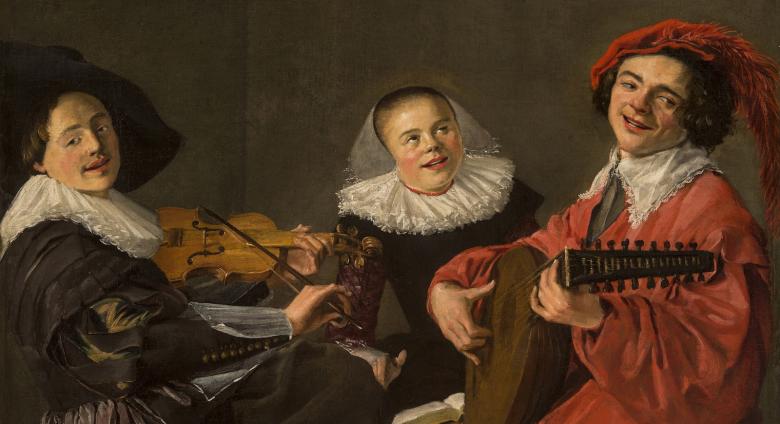
In the late 17th century, the wife of the Holy Roman Emperor Leopold I purchased, in the words of Dutch Golden Age painter and biographer Arnoldus Houbraken, “a sublime work consisting of flowers, arms, eagles, crowns, decorated in foliage, of woven silk in a rustic manner, for which more than four thousand guilders were given.” That was more than double the sum of money that
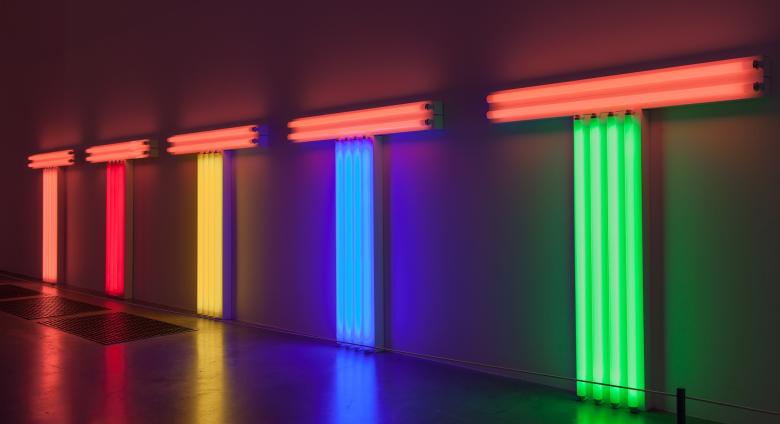
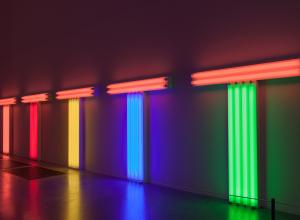
My first exposure to Dan Flavin’s classic fluorescent works was in 1969 at the Whitney Museum of American Art. As a young student, I was mesmerized by the exuberant colors and equally puzzled by the use of commercial lighting. Art or hardware?
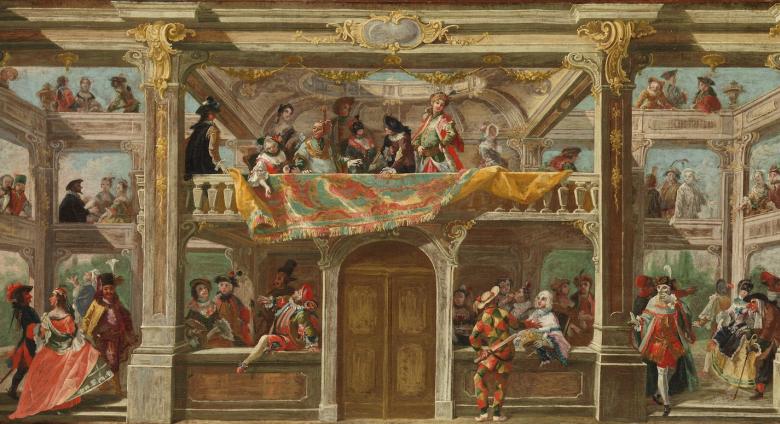
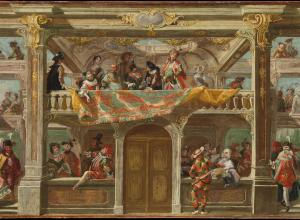
Originally, the mask was adorned by members of all socioeconomic classes to conceal identity. This was necessary since most legal and moral boundaries were blurred during this period, and so were the Venetian Republic’s rules regarding upper and lower social classes intermingling. Originating in the fourteenth century, the Venetian mask was originally intended to serve as a method of inclusiveness.
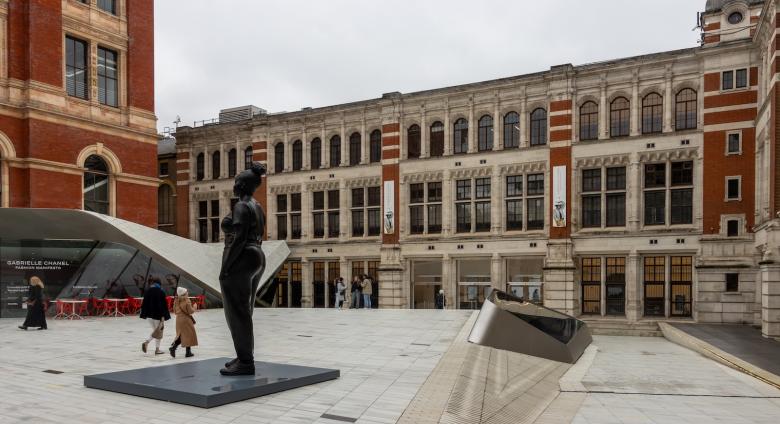
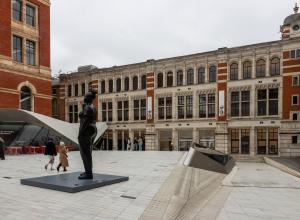
Staff at both the Victoria and Albert Museum (V&A) and Royal Museums Greenwich (RMG) voted to strike over pay and working conditions in late July as European cities recover from a record-breaking heatwave that put long-standing employee concerns in the spotlight. Questions about how prepared many European museums are to withstand extreme climatic events are being raised.