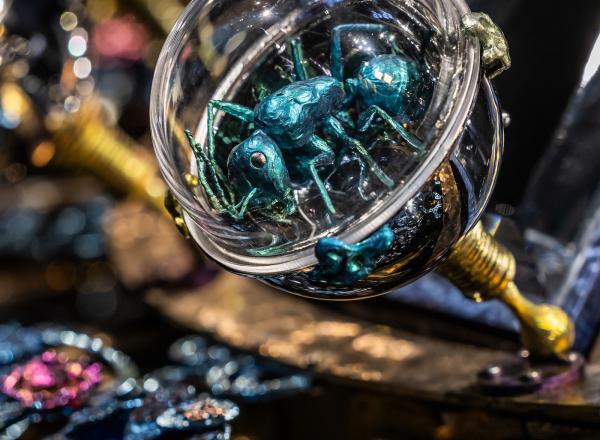
At a Venice Biennale often defined by spectacle, scale, and geopolitical performance, some of the most consequential exhibitions of 2026 unfold quietly—through the language of vessels, memory, and care.
Art News
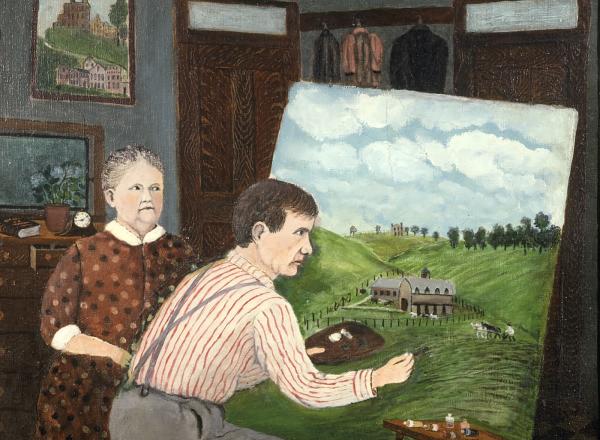
In the United States, the historical formulation of the “self-taught artist” is loaded with assumptions about class, race, and mental health that have obfuscated the figure of the maker. Because these artists practiced outside of conventional art school, gallery, museum, and peer-exchange systems, their works have oftentimes been interpreted through the lens of their discoverers and collectors.
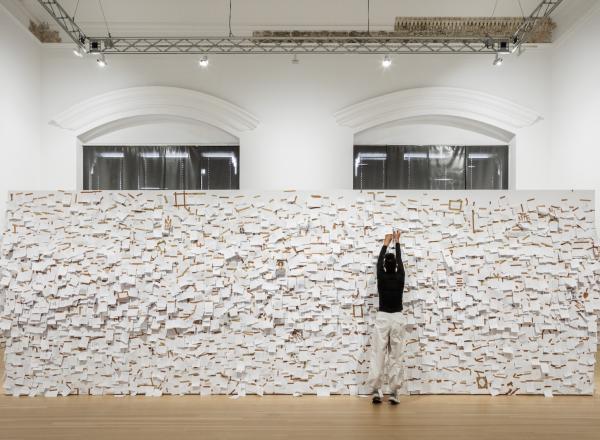
For more than six decades, Yoko Ono has challenged the conventions of art by inviting the audience into the work itself—either by being part of the art or stepping on it. A new exhibition at The Broad museum in Los Angeles traces the evolution of her practice from the early Fluxus experiments of the 1950s through her sweeping participatory installations of the 2000s.
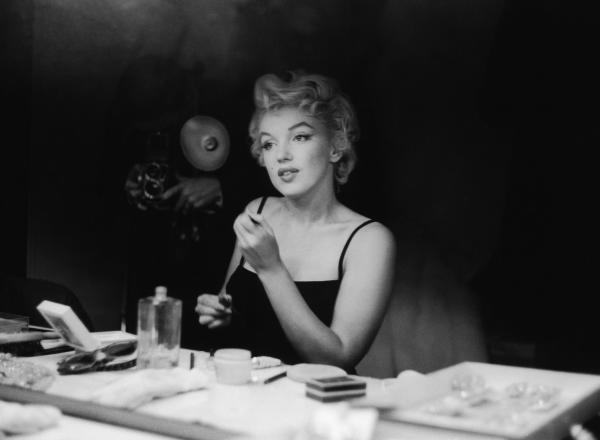
Marilyn Monroe has never really faded away. One hundred years after her birth, and more than six decades after her death, she continues to hold a place in pop culture. Billie Eilish channeled her at the 2021 Met Gala. The novel and film Blonde reopened familiar debates over the model's life.
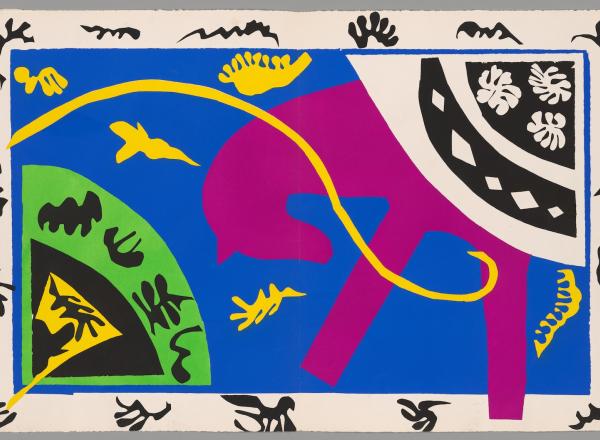
Improvisation, the ability to respond spontaneously to the moment, is a defining characteristic found in the work of two giants of modern art, Henri Matisse (1869-1954) and Pablo Picasso (1881-1973). Improv is also a necessary element in understanding and playing jazz, the freestyle musical genre born in the late 19th and early 20th century in African American communities in the southern United States.
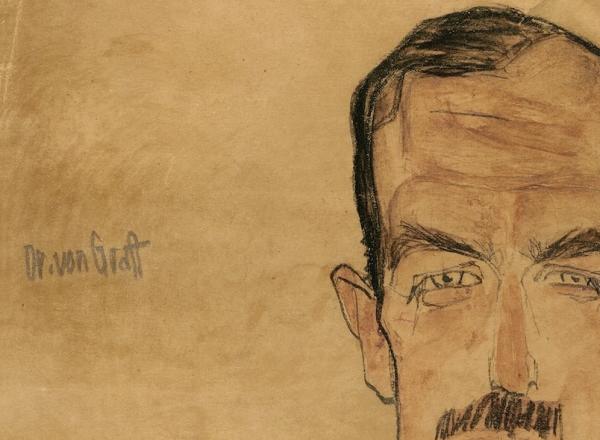
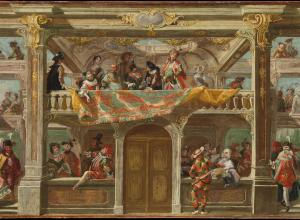
A current pocket exhibition at the Neue Galerie New York hearkens back to a time when the relationship between artist and patron was more direct, intimate, and collaborative than it is now that global capitalism has transformed art into an asset to enhance the ever-dizzying fortunes of billionaires. Today, art is merely a commodity, and by extension, artists are too.
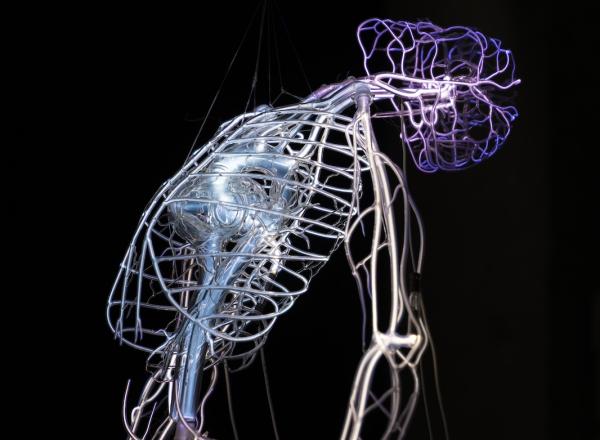
Tavares Strachan approaches art the way he thinks about music—fluid, improvisational, and open to interpretation. “Because I grew up listening to so much music, I just love the idea that it frees you up,” he said in an interview at the Los Angeles County Museum of Art (LACMA). “It doesn’t put this constraint on what you’re looking at. It empowers you in a way that visual art doesn’t.”
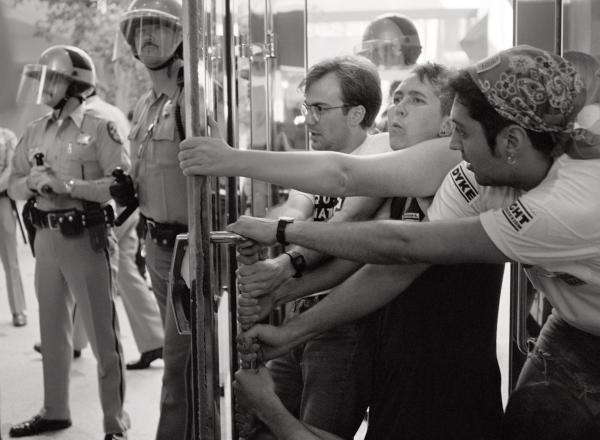
“The Smithsonian is not going to show somebody like me right now — specifically me,” Catherine Opie says in a recent Teams interview from Los Angeles, her voice matter-of-fact. “I’m not welcome right now in America.”
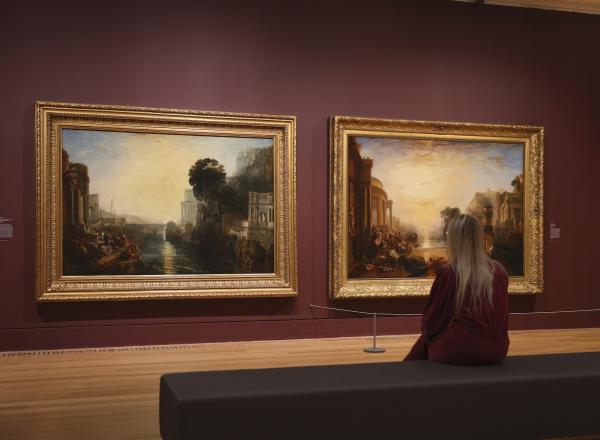
The idea that 18th and 19th century landscape painting could be the setting for one of art history’s fiercest rivalries may seem unlikely, but Turner & Constable: Rivals and Originals, the current exhibition at Tate Britain, explores the competitive relationship between two giants of British landscape painting, J.M.W.
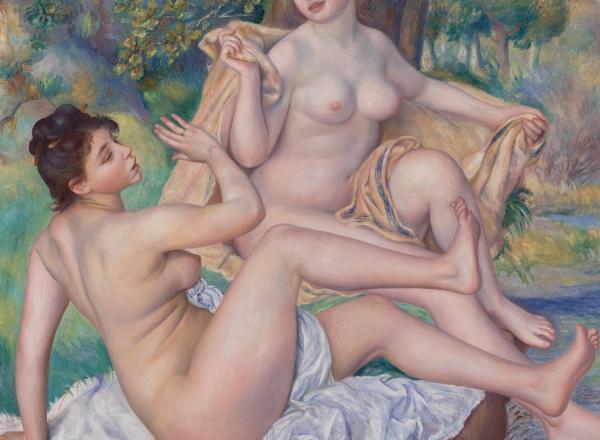
“The pain passes, but the beauty remains,” said Auguste Renoir (1841-1919). In Sacha Guitry’s 1916 silent film, there is a chilling and moving excerpt of Renoir painting. The artist’s hands are severely and painfully crippled by arthritis as he holds a long paint brush and a cigarette.