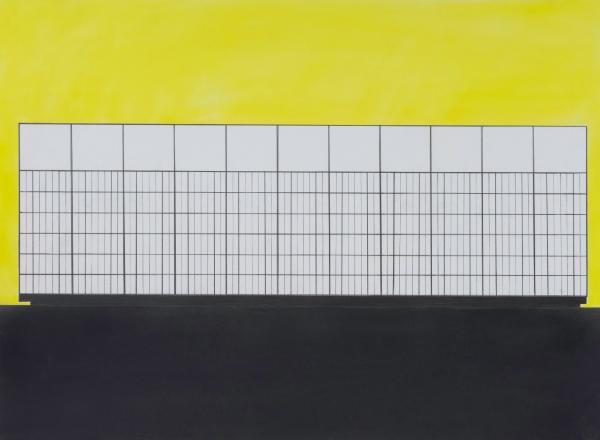
Now at the Portland Art Museum, APEX: Avantika Bawa features new work by the Portland-based artist. The APEX series celebrates Northwest-based artists and is curated by Grace Kook-Anderson, the Arlene and Harold Schnitzer Curator of Northwest Art. Bawa is known for her architecturally inspired modernist abstractions. Fascinated by Portland's Veterans Memorial Coliseum, she has created an ongoing series of drawings, prints, and large panel paintings illustrating the Coliseum’s grids, lines, colors, and mass.
Art News
Tom Kalin of the AIDS activist collective Gran Fury responds to American Policy, a series of pastel drawings by Cheyenne/Arapaho artist Hock E Aye VI Edgar Heap of Birds and discusses language-based artwork.
An Incomplete History of Protest: Works from the Whitney's Collection, 1960–2017 is on view through August 27, 2018.
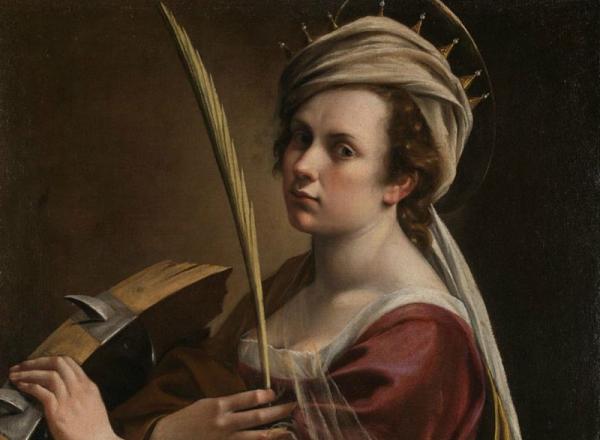
Who was Artemisia Gentileschi and how does she portray herself in this rare self-portrait? Letizia Treves, the James and Sarah Sassoon Curator of Later Italian, Spanish, and French 17th-century Paintings at the National Gallery, UK, explores the life story of the most celebrated female artist of the 17th century, and why her 'Self Portrait' is such an important acquisition to our collection.
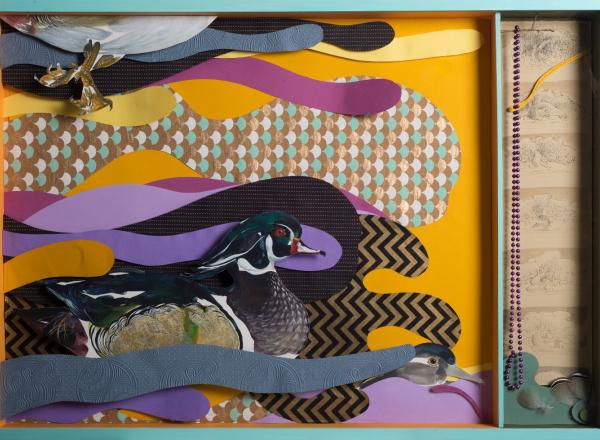
Two hundred years after Audubon traveled across America, tracking native bird species for his magnum opus, The Birds of America (1827–39), Italian artist Hitnes has retraced Audubon's steps, creating an updated documentation of the birds Audubon painted. His homage to Audubon, The Image Hunter: On the Trail of John James Audubon, is now on display at the Halsey Institute of Contemporary Art in Charleston.
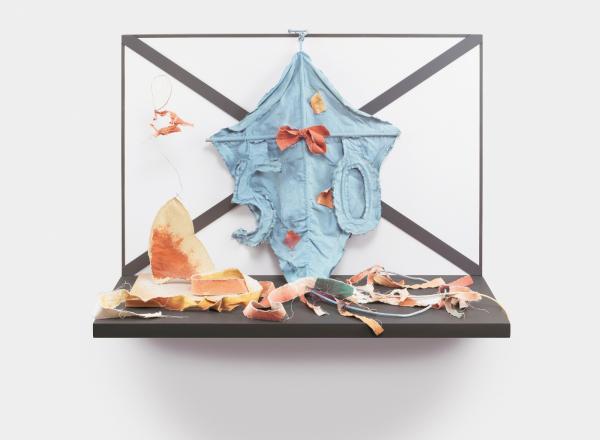
The 89-year-old Claes Oldenburg has created a series of sculptures that look like maquettes, comprised in part of familiar works from his oeuvre. "Shelf Life" is a clever play on words from an artist looking back on a rich and full career, reviewing his body of work and seeing what sticks.
"How do remains convey what's no longer present?" Curator Janice Kamrin and Conservator Anna Serotta on the coffin of Nedjemankh
Sculptor Petah Coyne treats her materials as a sort of language with which to share stories, drawing inspiration from literary sources as diverse as Greek mythology and Charles Dickens. (Untitled #1181) Dante’s Daphne (2004–6), which was given to SFMOMA in memory of the poet Leslie Scalapino, is made from an array of unconventional materials including feathers, velvet, wax, silk flowers, black spray paint, and pearl hatpins.
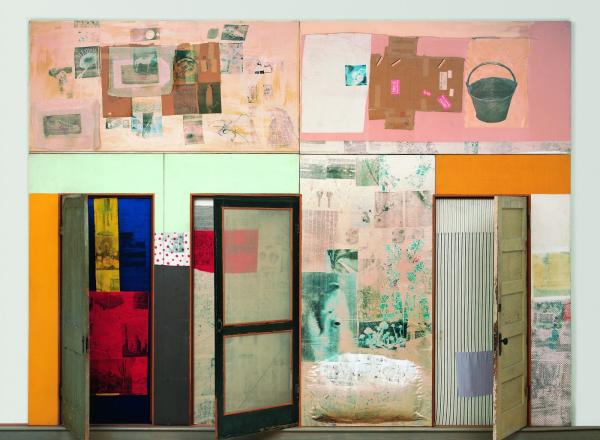
Now at the Los Angeles County Museum of Art (LACMA), In and About LA showcases the late Robert Rauschenberg’s photographic exploration of Los Angeles. A pioneering American artist whose groundbreaking work anticipated the Pop Art movement, Rauschenberg worked in a wide range of subjects, styles, materials, and techniques, utilizing photography, printmaking, papermaking, and performance. In 1950, he began making "Combines," which bridged photography, found objects and painting, blurring the line between painting and sculpture, merging kitsch and fine art.
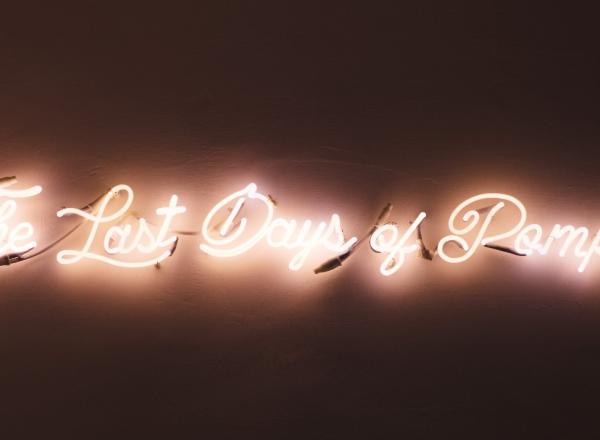
Now at the MIT List Visual Arts Center, The Last Days of Pompeii, an installation by multidisciplinary artist Delia Gonzalez, creates a multimedia environment, using intricate drawings, neon sculpture, architecture and music. Gonzalez's multi-layered work is informed by many sources, including history, surrealism, mythology, and mystical traditions. The Last Days of Pompeii uses the dramatic destruction of that ancient Roman city to allude to cycles of destruction and renewal, and current issues of ecological, economic, or political disaster.
The tagline is: what if—what if Indians invented photography? Would there be a different set of protocols or ideas or notions of exchange in relation to this kind of image-making process?
– Will Wilson